
Why Trust Modifications Fail Without Proper Documentation
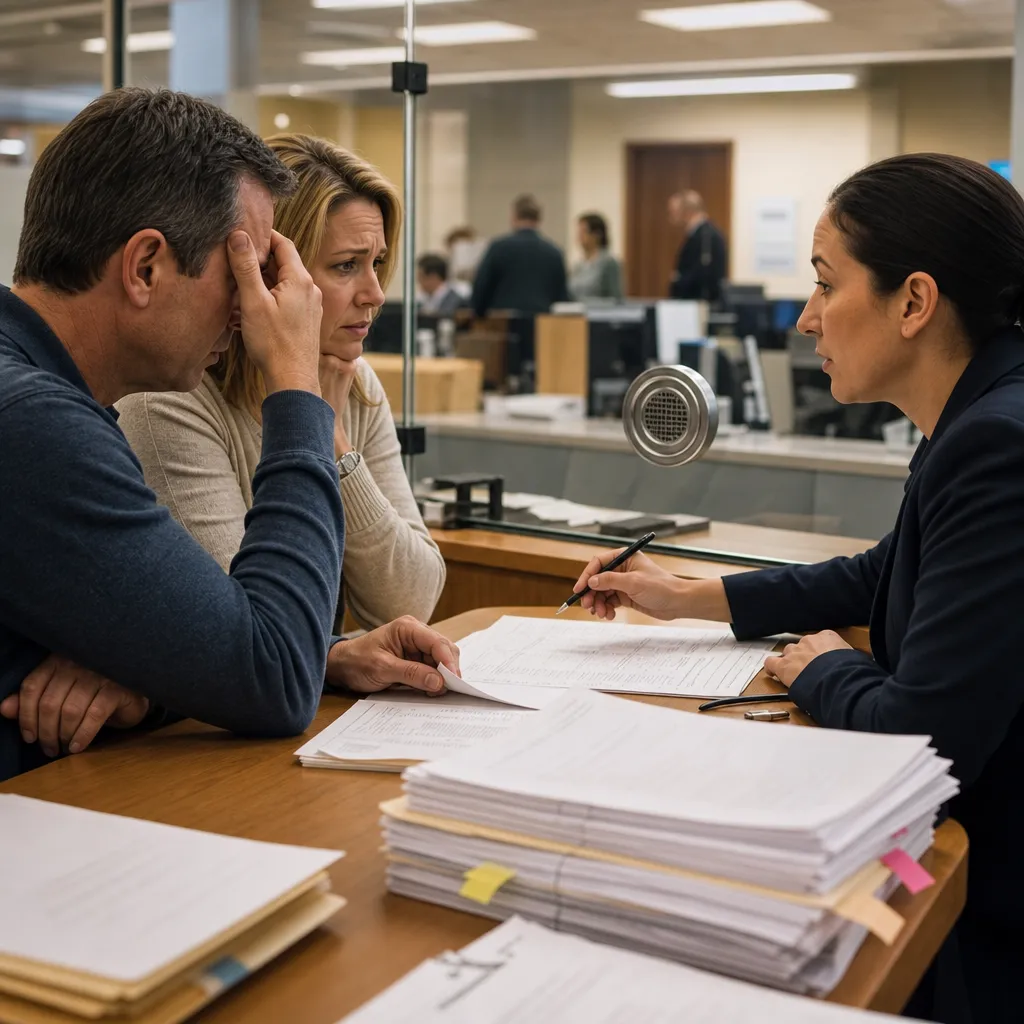
Modifying a trust sounds straightforward until you're sitting across from a court clerk who informs you that three critical documents are missing. Many families spend months and thousands of dollars in unnecessary legal fees because their petition lacked the proper documentation from the start. The difference between a smooth modification and a rejected petition often comes down to one thing: having every required document prepared correctly and submitted on time.
Trust modifications are not like other legal filings. When you modify a trust in Santa Clara County, you're asking a court to approve changes to a binding legal instrument that can affect real property, financial assets, distribution plans, and family relationships. Without complete documentation, the court has no basis to approve your petition, and the clerk's office will simply return it incomplete.
Petitions can be delayed by months because a trustee's certification was missing one required signature. Family conflicts can escalate when beneficiary notifications weren't properly documented, leaving questions about who knew what and when. These aren't procedural technicalities that can be fixed later. Missing documentation can invalidate the entire modification process, forcing you to start over or go through the Probate process.
The stakes are particularly high in Santa Clara County because of the court's rigorous standards and heavy caseload. A petition that might squeak through in a less scrutinized county will be rejected here. When you file incompletely, you don't just waste time, you also signal to the court that the trustee or petitioner may not understand the trust's obligations or may be attempting to obscure something.
What to do next: Before gathering any documents, work with someone familiar with Santa Clara County's specific filing standards to create a detailed checklist tailored to your situation.
Understanding Santa Clara County's Specific Requirements
Santa Clara County probate court operates under the California Probate Code, but the local rules and expectations add another layer of specificity. We navigate these requirements regularly, and the details matter enormously.
The county requires that trust modification petitions include proof that all interested parties have been notified according to Probate Code Section 1020.5. This means specific timing, specific wording, and documented proof of service. The court will not approve a modification if there's any question about whether beneficiaries and other interested parties received proper notice.
If an ++ex parte++ (i.e., no formal hearing) petition is filed, the court needs to see that all interested parties have waived notice and given consent to the petition.
Santa Clara County also expects financial documentation to be current and detailed. If you're modifying a trust because assets have changed, the court needs to see those changes reflected in schedules and accounting. Vague or outdated asset lists are red flags.
Additionally, the county's probate department is particular about the format and organization of petition packets. Documents must be clearly labeled, properly numbered, and presented in the exact order the court expects. Petitions can be rejected simply because the schedules were out of sequence.
Actionable takeaway: Request the specific filing standards document from the Santa Clara County Superior Court probate division or work with an experienced trust attorney who maintains current templates.
Essential Documents We Help You Prepare
A complete trust modification petition package in Santa Clara County typically includes several key documents, though the exact number depends on your situation.
The petition itself is the centerpiece. This document explains what modifications you're requesting and why. We draft petitions that clearly articulate the legal basis for the modification while addressing any potential objections the court might anticipate.
You'll also need the original trust document and any subsequent amendments. The court compares your requested changes against what's already in place to ensure the modification doesn't conflict with the settlor's intent or violate California law.
Proof of service and notice is another critical category. This includes declarations from whoever served notice to interested parties, along with copies of the actual notice documents. The court verifies that everyone who should have been notified actually received notice within the required timeframe. An ++ex parte++ petition requires that all interested parties have waived notice and consented.
Additional documents typically include:
- Beneficiary consent forms (if applicable)
- Court-required cover sheets and case management statements
- Explanations in the petition or attached declarations supporting the need for modification
What to do next: Don't attempt to assemble these documents without guidance specific to your modification type. The documents for a modification due to changed circumstances look different from those for a modification due to changed trustees or beneficiary distributions.
The Trustee's Declaration and Certification Requirements
The trustee's statements in the petition form the foundation of your petition. In the petition, the trustee explains the current trust's terms, describes what modifications are being requested, and explains why those modifications serve the trust's purposes and the beneficiaries' interests.
Santa Clara County requires the petition to be ++verified++, meaning the trustee signs a statement that all of the allegations in the petition are trust. The petition also contains specific language showing that the trustee understands the trust document and the implications of the requested changes. Weak or vague statements signal to the court that the trustee may not fully grasp the situation, which can trigger additional scrutiny or requests for clarification.
The trustee must also certify that they have authority to petition for the modification. This means showing that either the trust document grants them this power or that the circumstances justify the court's intervention. If the trustee lacks clear authority, the petition itself may be vulnerable.
We help trustees understand that the allegations in their petition aren't just a formal requirement. It's your opportunity to present a compelling, factual case for why the modification is necessary and appropriate. We've found that detailed, honest declarations that acknowledge complexities actually perform better in court than oversimplified ones that gloss over concerns.
Actionable takeaway: Have the trustee review the petition with a clear mindset, not just rubber-stamping language. Courts notice when declarations contain weak reasoning or fail to address obvious questions.
Beneficiary Notification and Consent Forms
If you're requesting modifications that could benefit some beneficiaries over others, you'll likely need consent forms or documented responses from beneficiaries. Even modifications that appear neutral often generate objections if beneficiaries weren't properly informed and given a chance to weigh in.
Santa Clara County requires specific notice language that complies with Probate Code Section 1020.5. The notice must explain what modifications are proposed, why they're being requested, and how beneficiaries can object or request a hearing. Using generic notice language invites the court to reject your petition on procedural grounds.
We typically recommend providing notice at least 30 days before filing the petition in cases where beneficiary consent matters. This gives families time to discuss the modification and, in some cases, resolve objections before court involvement.
Consent forms carry significant weight. When a petition includes documented consents from all or most beneficiaries, the court can approve modifications more readily and with less scrutiny. Conversely, when notices go out but beneficiaries don't respond, the court may question whether they truly understood the proposed changes.
For modifications affecting multiple beneficiaries or substantial assets, document every notification attempt, including dates, methods of delivery, and any responses received. This paper trail is your proof that the process was proper.
What to do next: Never assume silence equals consent. If beneficiaries don't respond to notices, the court doesn't interpret that as automatic approval. Document the lack of response and be prepared to explain it.

Court Petition Documentation and Schedules
The schedules attached to your petition provide the detailed information the court uses to evaluate whether the modification is appropriate. These are typically formatted exactly as the court prescribes, with specific line numbers, descriptions, and values.
Schedule A lists all trust assets, their current values, and how they're titled. If the modification changes distributions or trustee powers regarding assets, this schedule shows what assets are affected. Outdated or incomplete schedules create serious problems because the court can't see the full picture.
Additional schedules might include:
- Current beneficiary listings and contact information
- Proposed modifications with side-by-side comparisons to original terms
- Changes to trustee authority or compensation
- Any property that will be added or removed
We prepare schedules that are internally consistent and cross-referenced clearly. A schedule that lists an asset as worth $500,000 in one place and $450,000 in another immediately raises red flags and may result in petition rejection.
The cover sheet and case management statement are often overlooked but essential. These forms tell the court basic information about the petition, estimated hearing time, and any complexity factors. Incorrect case management statements can cause scheduling problems and delays.
Actionable takeaway: Have someone uninvolved with the trust review the schedules for clarity and accuracy. If a third party struggles to understand what assets are listed or what the proposed changes accomplish, the court will too.
Financial Accounting and Asset Disclosures
Courts care deeply about whether the trustee has properly managed assets and whether proposed modifications align with sound financial practices. If you're modifying a trust because the trustee's compensation is being changed, or because assets need to be transferred, you need current financial documentation.
A trustee's accounting shows how trust assets have been managed, what income has been generated, and what expenses have been paid. Even if you're not specifically requesting approval of an accounting, the court may expect to see one to verify that the trust is being administered properly.
Asset disclosures must be complete and current. We recommend obtaining current valuations for all significant assets, especially real property. If the trust holds real estate in Santa Clara County, property tax assessments and recent appraisals matter. For investment accounts, current statements from the financial institution are essential.
If the modification involves adding assets to the trust or removing assets, we prepare detailed schedules showing the source of new assets and the destination of removed assets. The court wants assurance that the proposed changes won't result in tax consequences or legal complications.
What to do next: Gather all financial statements and valuations dated within the past 30 to 60 days of filing. Outdated valuations invite the court to question whether the information is accurate and whether conditions have changed since the petition was prepared.
How We Streamline Your Trust Modification Process
We approach trust modifications as a systematic process, not a one-off filing. Our initial consultation focuses on understanding your specific situation, which type of modification you need, and whether any complications exist.
Once we understand your goals, we prepare a customized documentation checklist reflecting Santa Clara County's current standards and any unique aspects of your trust. We don't use generic templates. Each petition and supporting documentation set is tailored to your modification type and circumstances.

We handle the drafting of declarations, petitions, and schedules while you focus on gathering financial information and communicating with family members if necessary. Our team manages the notice process, including preparation of notice language, service documentation, and tracking of beneficiary responses.
We also provide ongoing guidance through the filing process. After submission, we monitor the court's response and manage any requests for additional information. If the court wants clarification or additional documentation, we coordinate with you to provide it promptly.
This systematic approach typically reduces the overall timeline and minimizes back-and-forth with the court. Families often express relief at having a clear roadmap and a responsible party managing the process.
Actionable takeaway: Choose a legal partner early rather than attempting documentation yourself and then hiring an attorney to fix problems. Early involvement prevents costly mistakes.
Common Documentation Mistakes That Delay Petitions
We see certain documentation errors repeatedly, and they're almost always preventable.
Inconsistent asset valuations across different schedules create confusion and delay. When your petition lists trust assets at one value in Schedule A and a different value in the trustee's declaration, the court will request clarification and may reject the petition pending revision.
Incomplete notice documentation is another frequent problem. Beneficiaries listed in the petition don't appear in the notice list, or notices weren't served within the required timeframe. These procedural errors are inexcusable to courts and can result in petition dismissal.
Vague declarations that don't clearly explain why the modification is necessary and proper also cause delays. Courts expect declarations to directly address the legal standard for approving modifications under California Probate Code. Generic language that avoids specifics signals that the trustee hasn't fully considered the implications.
Missing or incomplete signatures and notarizations are surprisingly common. Every declaration must be notarized with the correct date. Unnotarized documents or documents notarized before the declaration was signed are technically invalid and must be redone.
What to do next: Before filing, have an experienced attorney conduct a final review specifically looking for inconsistencies, missing notarizations, and procedural errors. This step prevents rejection and restarts.
Our Comprehensive Documentation Support for Your Peace of Mind
Trust modifications represent critical decisions about how your family's assets will be managed and distributed. The documentation process isn't just bureaucracy. It's the mechanism that ensures your modification is legally valid, properly communicated to all interested parties, and protected against future challenges.
At Robert P. Bergman Law Offices, we understand that families don't want to navigate this complexity alone. Our comprehensive support covers every aspect of trust modification documentation specific to Santa Clara County. We prepare petitions that withstand scrutiny, schedules that are accurate and clear, and notice documentation that meets all procedural requirements.
Whether you're modifying a trust due to changed circumstances, trustee transitions, or updates to beneficiary arrangements, we bring the expertise and attention to detail that makes the difference between a smooth approval and a petition delayed by months.
If you're considering a trust modification and need guidance on documentation requirements, we're here to help. Contact our office to discuss your situation and learn how we can streamline your modification process while ensuring every detail is handled correctly.
For further reading: Trust modification petitions.