
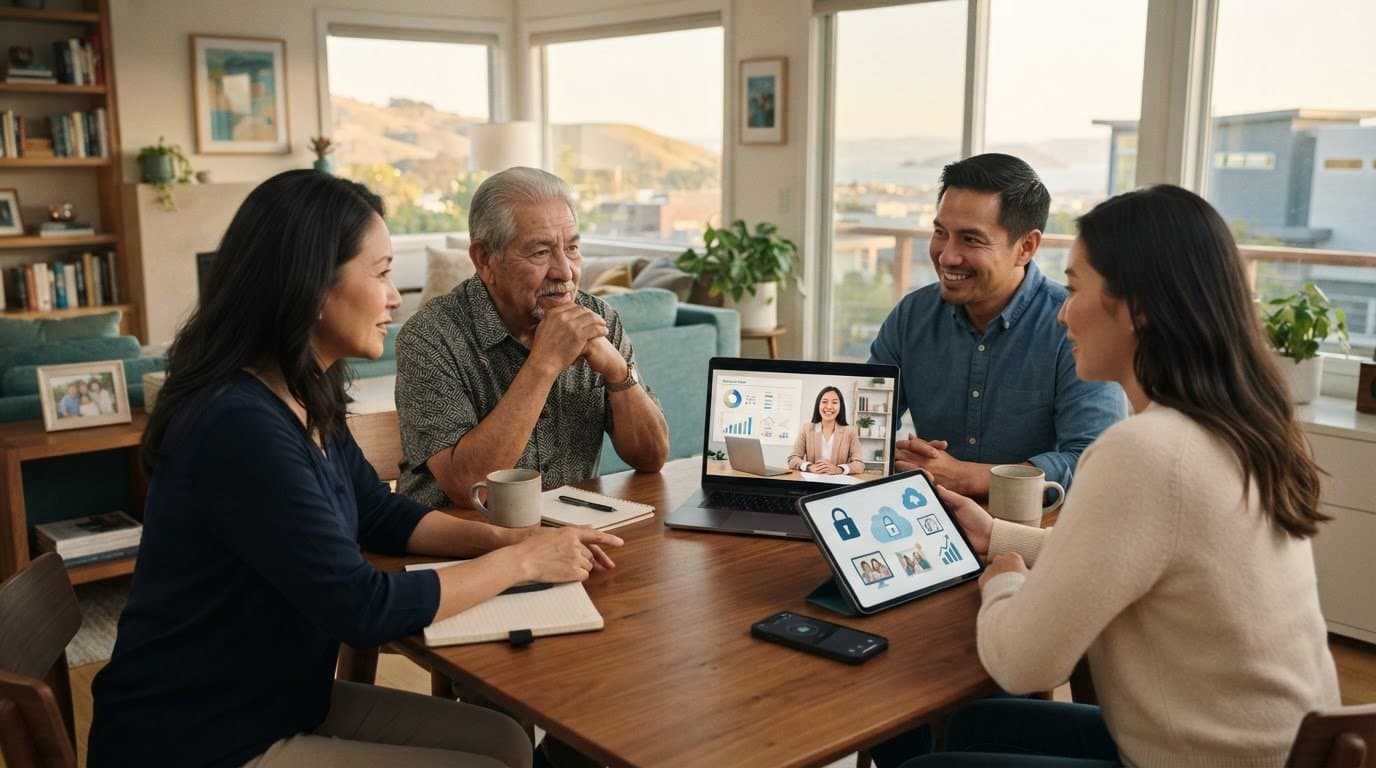
What if your family knows you have important online accounts but can’t tell what exists, what you wanted done with it, or how to access it safely? Estate planning for digital assets in California can help you address those questions before they become a source of stress. Digital assets may include email, cloud-stored photos and files, social media profiles, online financial accounts, and cryptocurrency.
A will or trust may not answer every practical question. Family members also need clear, secure instructions about which accounts matter, what you want done with them, and how your privacy should be respected. Putting passwords in an estate-planning document can create security risks, so keep credentials separate from your instructions.
This article explains how to identify digital property and accounts worth planning for, record practical instructions without exposing sensitive information, and consider how those instructions fit with your broader California estate plan. Attorney Robert P. Bergman personally drafts each custom estate plan. The process involves no template and no paralegal hand-offs. He provides a free 15-minute consultation in person or via Zoom.
Key Takeaways
- Your digital footprint can include everyday accounts as well as personal files and family memories worth preserving.
- Separate the questions of who may access an account, who can manage a digital asset, and who owns it.
- An inventory records what exists and what you want done with it, not passwords. Keep access details secure and review your instructions when circumstances change.
- Estate planning for digital assets in California works best when your digital wishes are considered alongside your trust, will, and power of attorney.
Table of Contents
- What Counts as a Digital Asset in a California Estate Plan?
- How California Law, Privacy, and Estate Documents Affect Digital Assets
- How to Build and Maintain a Secure Digital-Asset Inventory
- Integrate Digital Assets into a Custom Estate Plan in California
What Counts as a Digital Asset in a California Estate Plan?
Your digital footprint may include everyday accounts as well as irreplaceable family memories. Digital assets are property, information, or account content stored or accessed electronically. Some may have financial value; others matter because they hold photos, messages, or work you created.
Which digital assets should families consider?
Review the different ways you store information, communicate, and manage property. Examples include:
- Online bank, investment, and payment accounts, plus records related to cryptocurrency
- Email, cloud-stored files, family photos, and videos
- Social media profiles, subscriptions, and digital purchases
- Domain names and creative work, such as writing, music, or artwork kept online
These categories can matter to your family in different ways. Family photos may be valuable for the memories they hold, while a financial account may connect to money or other property. Don’t assume account access and ownership are the same thing. Digital access means being able to reach an account or file; it does not, by itself, determine who owns the money or property associated with it. Whether a particular item can be accessed or transferred may depend on applicable law and the provider’s rules.
Why does a digital inventory matter to loved ones?
An account or file your family doesn’t know about may be overlooked, even if it matters to you. Listing important services and records gives loved ones a starting point for understanding what exists and what you want done. For instance, you might want personal photos preserved while a subscription is reviewed or canceled.
An inventory is a guide to your wishes, not a guarantee that someone can open an account or take a particular action. Provider rules and applicable law may affect what is possible, so distinguish your preferences from assumptions about access or transfer. For a wider overview of the topic, see Digital inheritance.
Considering digital property alongside your broader California plan can connect these instructions with your other wishes. Families can address that connection through custom estate planning.
How California Law, Privacy, and Estate Documents Affect Digital Assets
California’s Revised Uniform Fiduciary Access to Digital Assets Act, often called RUFADAA, provides rules for when a fiduciary, such as an executor or trustee, may request access to certain digital assets. It doesn’t make every account available or give a fiduciary a password. Your directions, the type of information requested, applicable law, and the provider’s rules can all matter.
Keep three questions separate: Can someone access an account or its content? Do they have authority to manage an asset? Do they own the money or property connected to it? Authority to handle an account doesn’t automatically establish ownership, and naming someone in an estate document doesn’t guarantee that a provider will grant access.
Does a will or trust automatically unlock online accounts?
No. A will or trust can name a person to act for you and may include directions or consent relevant to digital assets. But it doesn’t necessarily override privacy protections or provider procedures. Some laws distinguish account records, such as information about communications, from the contents of messages themselves. The scope of any authorization and the specific account should be considered as part of estate planning for digital assets in California.
Online account tools serve a different purpose: they let you record preferences directly with a provider. Those settings, your estate documents, and the provider’s terms may interact, so don’t assume one instruction covers every account.
How can families address privacy and account security?
Keep passwords, recovery codes, and private keys out of your will. A will may be filed with a court after death, so including credentials could expose sensitive information. Keep access details separate from your estate documents in a secure arrangement. Let your chosen fiduciary know where the instructions are maintained without placing credentials in a document that may be shared.
If you have questions about coordinating digital instructions with your California estate plan, you can discuss your planning questions with the office.
How to Build and Maintain a Secure Digital-Asset Inventory
A useful inventory doesn’t need to be complicated. Its purpose is to give the people you choose a clear starting point without putting sensitive credentials in a document that may be shared. An inventory records what exists and what you want done with it, not passwords.
Build your inventory in five steps
- Identify accounts and files. Review financial records, devices, email, and the services you use to spot accounts and digital property your family may not know about.
- Categorize each item. Note whether it relates to finances, personal files, communication, subscriptions, or creative work. Grouping items makes the list easier to understand and update.
- Record the useful details. For each entry, include the account or asset type, provider, purpose, and the person to notify. Avoid adding passwords, recovery codes, or private keys.
- Write down your wishes. Indicate whether you want the item preserved, closed, transferred, or reviewed. Use “review” when the next step may depend on provider rules, ownership, or other circumstances.
- Secure the instructions. Keep the inventory and any sensitive access information separate. Limit access to the records, and tell the appropriate fiduciary where the instructions are maintained.
Keep the inventory current and protected
Set a reminder to review your list regularly. Update it when you open or close an account, change how you use a service, or revise your wishes. Major life or family changes are also a good time to revisit who should be notified and what you want done.
Don’t put private keys, passwords, or recovery codes in a will or other legal document that may be shared. Keep access details separate from the inventory and estate documents in a secure arrangement you can maintain. Your fiduciary needs to know where instructions are kept, but that doesn’t mean everyone who sees your estate documents should see your credentials.
A careful inventory can make estate planning for digital assets in California more organized, while leaving account access subject to provider rules and applicable law. It gives loved ones a map of what exists and your wishes, not a promise that every account or file can be accessed.
Discuss your digital-asset instructions## Integrate Digital Assets into a Custom Estate Plan in California
Digital-asset wishes can be considered alongside your trust, will, durable power of attorney, and related documents. Each has a different role in your broader plan. Discussing them together can clarify who you want to act, which instructions matter to you, and how those wishes fit together, while recognizing that provider rules and applicable law may affect account access.
What does a personalized planning conversation cover?
Consider who you trust to handle practical matters and which digital assets deserve attention. You may want a family member to preserve personal files or a fiduciary to review an account and follow your stated preference. The conversation can also address how digital instructions relate to your other planning documents, rather than treating each account as a separate plan.
Families in San Jose and the greater San Francisco Bay Area can discuss these questions as part of custom estate planning. The firm serves families in San Jose, Saratoga, Cupertino, Los Gatos, Sunnyvale, Campbell, Milpitas, Mountain View, Los Altos, Los Altos Hills, Palo Alto, Menlo Park, Fremont, Redwood City, Union City, Hayward, and Gilroy, as well as throughout the greater Bay Area. Robert P. Bergman is a Certified Estate Planning Specialist, a credential held by less than 1% of California attorneys. Fees are fixed and provided in writing after the initial consultation.
What is a low-pressure next step for California families?
Before a planning conversation, consider who should be involved, which accounts or files matter, and what you’d like done with them. You don’t need to resolve every question in advance. A focused discussion can help identify which wishes belong in your estate documents and which may need separate attention.
For estate planning for digital assets in California, start with the concerns that matter most to your family. A conversation can help you consider those priorities in the context of your broader plan.
Discuss your California estate-planning questions## Take the Next Step Toward Clearer Digital Instructions
Your digital wishes may change as accounts, relationships, and priorities shift. Choose a practical time to revisit them, such as when you update your estate plan or experience a major family change. The goal isn’t to predict every future issue. It’s to make your intentions easier for the people you trust to understand and consider.
For estate planning for digital assets in California, look beyond a list of accounts and consider how your instructions fit your family’s broader plan. Robert P. Bergman has practiced law since 1980 and focused on estate planning since 1981. A planning conversation can help you identify the questions to address and choose a useful next step.
You don’t need to have every detail figured out before you begin. A clear starting point can help you move forward with greater confidence and give your family guidance that reflects your wishes.
Schedule a free 15-minute consultation## Frequently Asked Questions
Can my family access my cloud photos after I die?
Possibly, but access depends on the cloud provider’s policies, your account settings, and applicable law. A family member knowing the account name doesn’t guarantee they can view or download its contents. As part of estate planning for digital assets in California, decide whether you want particular photos preserved, shared with someone, or deleted. Identify the service and your preference in your instructions, and remember that one account may hold both personal memories and private material.
Can an executor use my passwords to access digital accounts?
Not automatically. Being named executor gives someone a role in handling your estate, but it doesn’t necessarily give them permission to sign in to every account using your credentials. Provider rules and privacy protections may affect what the executor can access. Give your executor clear directions about which accounts exist and what you want done, without assuming that a password alone creates legal authority or provider approval.
Does cryptocurrency automatically pass to my family through a will?
A will can express who you want to receive property, but it doesn’t by itself ensure your family can locate or access cryptocurrency. For example, a beneficiary may be named while the wallet location or access method remains unknown. Keep an accurate record of the asset and relevant instructions, with sensitive recovery information protected separately. The way cryptocurrency is held and applicable legal requirements can affect how it is handled.
What happens to online subscriptions when someone dies?
There isn’t one outcome for every subscription. A service’s terms and account procedures may determine whether it can be canceled, closed, or handled another way. Help loved ones avoid guesswork by listing the service, what it is used for, and your preference, such as “cancel” or “review.” Include subscriptions billed through an account or device, too, so your family has useful leads when identifying recurring services.
Should I put digital-asset passwords in my California will?
No. Passwords can change, so placing them in a will risks leaving outdated information in a document meant to guide your estate. Keep credentials and recovery details separate from the will, and make sure the person you trust knows where your secure instructions are maintained. Your estate documents can describe your wishes and identify who should act without becoming a record of login details.
How often should I update my digital-asset inventory?
Review it on a regular schedule you can maintain, and update it when an account opens or closes, your instructions change, or the person you’ve named to act for you changes. During each review, check that listed services are still active and that your directions remain clear. A major family or life change is another good reason to revisit the inventory rather than waiting for the next scheduled review.